

If someone searched for your organization today, what would they find?
More importantly, if they searched for you, what would they find?
For many CEOs, this was once an inappropriate question. The corporation spoke for itself. Products, marketing and corporate communications all did the talking. The chief would live behind the scenes without difficulty while the business built its reputation.
That world has changed.
Today, people don’t just buy from agencies, they buy from people primarily. Customers need to know who makes the decision. Employees want to work for leaders they trust. Investors want confidence in the people behind the vision. Even potential partners often research the CEO before agreeing to a meeting.
Whether you realize it or not, you’ve already got a personal brand. The most effective question is whether you’re intentionally shaping it or allowing others to define it for you.

The Shift From Corporate Brands to Human Brands
Think about the number of business leaders you admire. Chances are, you know their personality, values, or perspectives; no longer just the companies they lead.
That’s not accidental.
People certainly associate with humans more than logos.
A corporation can have a mission statement, polished advertising campaigns and a well-designed website. But these things often feel distant. A CEO sharing lessons learned from failure, explaining why a difficult choice was made, or speaking passionately about the future of their industry feels real. It creates a human connection that a company message may never achieve.
In an age where authenticity is valued over and above perfection, human beings want to understand who is behind the business.

Trust is built before the business begins
One of the biggest misconceptions about personal branding is that it’s about becoming famous.
It isn’t.
It’s about becoming trustworthy.
Before a client signs a contract, they may look you up on LinkedIn. Before an investor responds to your proposal, they’ll likely search your name. Before talented professionals decide to join your organization, they’ll want to understand the kind of leader you are.
These moments happen quietly, often before you even know someone is considering doing business with you.
A neglected online presence can create uncertainty.
A thoughtful personal brand can create confidence before the first conversation ever takes place.
Your company’s reputation is closely tied to your reputation
Whether you like it or not, people often judge an organization by its leadership.
When a CEO consistently communicates with clarity, integrity, and expertise, those qualities naturally extend to the business.
The reverse is also true.
Poor communication, inconsistencies, or a complete absence of leadership visibility can make even a strong company appear disconnected.
Your personal reputation becomes part of your company’s reputation.
That doesn’t mean every CEO needs to post every day or emerge as an influencer. It means intentionally showing up enough that people understand what you stand for and what kind of leader you are.
Leadership is becoming more visible
Modern leadership is not hidden behind boardroom doors.
Employees need transparency.
Customers choose honesty.
Partners value accessibility.
Social media and digital platforms have made leadership more visible than ever. A handy article, interview, podcast appearance, or LinkedIn posting can reach thousands of people without requiring a massive marketing budget.
The possibility is no longer reserved for multinational corporations.
Small business owners, startup founders, nonprofit executives and corporate CEOs all have access to the same platforms.
The difference lies in how consistently they use them.
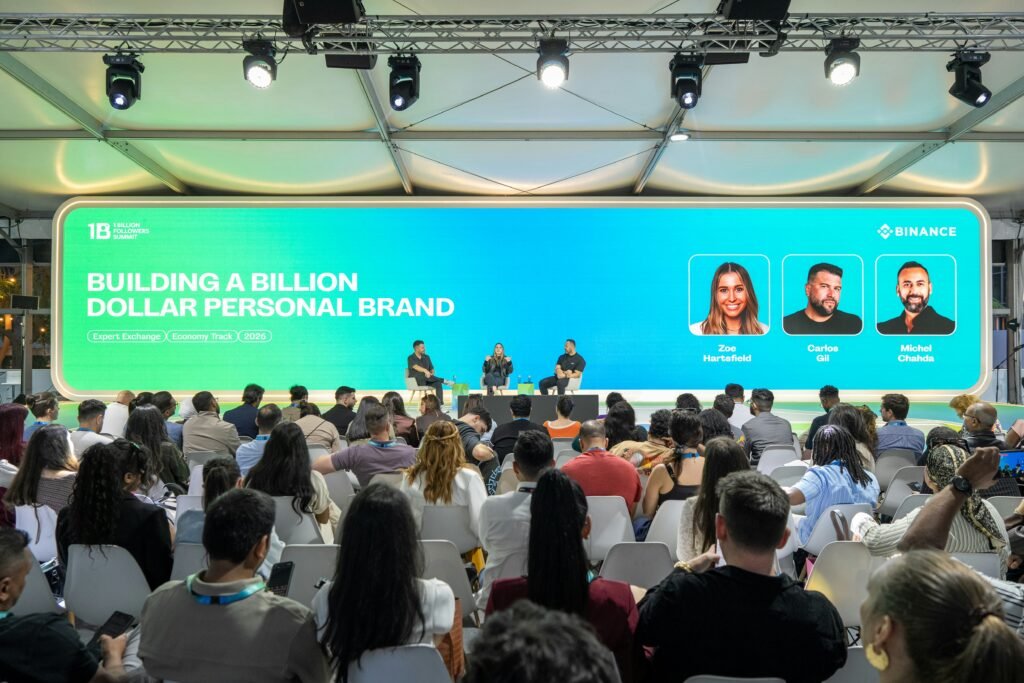
Personal branding helps attract better opportunities
Many CEOs assume personal branding is only about attracting customers.
It opens far more doors in reality.
A strong personal brand can lead to:
- speaking engagements
- Strategic partnerships
- Media interviews
- investment possibilities
- Advisory roles
- Board positions
- High quality recruitment
People often approach leaders they recognize and trust.
Visibility creates familiarity.
Familiarity creates opportunities.
Some of the biggest career breakthroughs don’t happen because someone submitted an application. They happen because someone already knew who they were.
Your Employees Are Watching Too
Personal branding is not always just external.
Additionally, it shapes internal culture.
Employees want leaders they can relate to.
They want to understand the vision behind the work they’re doing. They appreciate hearing lessons learned, challenges overcome, and values that guide decision-making.
The visible CEO creates alignment.
When employees understand the person leading the organization, they often feel more connected to the job itself.
That relationship is hard to achieve through agency newsletters alone.
Authenticity triumphs over perfection
One reason many CEOs hesitate to build a personal brand is fear about saying the wrong thing.
Ironically, people are not looking for flawless leaders.
They’re looking for genuine ones.
Sharing lessons learned from failed initiatives often resonates more than celebrating another business milestone.
Speaking honestly about uncertainty can feel more relatable than pretending to have every answer.
The aim is not always to create a polished online persona.
It’s constantly sharing your knowledge, values and perspective in a way that feels human.
People remember authenticity long after they’ve forgotten carefully crafted corporate language.
You don’t need to be everywhere
Building a personal brand wouldn’t require posting on every social media platform or documenting every moment of your day.
In fact, trying to be anywhere generally leads to inconsistencies.
Instead, choose 1 or 2 platforms where your target audience is already spending time.
For many CEOs, that might be LinkedIn, industry publications, podcasts, or speaking at conferences.
Focus on sharing insights that only you can provide:
- Lessons from the main an enterprise
- Overview of the industry
- Leadership report
- business challenges and how you approached them
- Personal considerations that shape your decisions
The most valuable content material regularly comes from everyday experiences that others can learn from.
Start before you think you are ready
Many leaders put off personal branding until they feel more accomplished.
“Once the company grows, I’ll start.”
“I’ll share more after we hit our next milestone.”
“I need more experience first.”
The reality is that personal branding grows through consistency, not perfection.
The leaders who are seen as influential these days did not become visible overnight. They built credibility one article at a time, one newsletter, one interview, one thoughtful post at a time.
Starting early allows your reputation to grow with your business rather than trying to catch up later.
Final Thoughts

Personal branding is not a luxury reserved for high-level executives or public figures. It has grown to be an important part of modern leadership.
People invest in businesses, but they trust people.
As a CEO, your experience, perspective, and values are assets that can strengthen your company’s reputation, attract opportunities, inspire employees, and build lasting credibility.
The great news is that personal branding doesn’t require becoming someone you’re not.
It simply requires showing up consistently as the leader you already are.
In a world where people are constantly looking beyond the logo, your voice may become one of your company’s greatest competitive advantages.




One Response
Personal branding is not a luxury reserved for high-level executives or public figures. It has grown to be an important part of modern leadership.