

Walk into any company meeting or small business group, and you’ll likely hear three words thrown around as if they’re interchangeable: branding, advertising, and marketing.
They are not.
Treating them as the same thing is the reason many businesses waste a lot of money. It’s the equivalent of a football team showing up with 3 quarterbacks and no goal keeper. They’re all in the same family, sure, but they have completely different jobs.
If you want your business to grow without burning through your budget, you have to understand where one ends and the other begins. Let’s break them down using a perspective that isn’t lifted from a textbook, but from how we actually experience them in the real world.
1. Branding: Soul (who you are)

Let’s clear up a huge misconception right out of the gate: Your brand isn’t your logo, it’s not your color palette, your sleek website design, or your catchy tagline. Those are just visual receipts.
Your brand is your reputation. It’s someone’s gut feeling considering your commercial enterprise. Jeff Bezos famously nailed it when he said, “Your brand is what other people say about you when you’re not in the room.”
Think about it in human terms. Your brand is your character, your values, your handshake, and the way you make people feel when you talk to them. It answers the most profound question a business can face: Why should anyone care about your existence?
The human element: Branding is the foundation. If you get this wrong, everything else goes wrong. You can have a great marketing strategy, yet if your brand is hollow, hypocritical, or complicated, humans will see right through it. Humans are hard wired to detect inauthenticity. We don’t just buy what the business is selling; We buy into how that enterprise fits with our personal identity.
When a business builds a strong brand, it sets an emotional groove. This is why people will thankfully pay top rates for an Apple product when competitors have the same specifications for 1/2 the rate on their device. They’re not just shopping for microchips; They’re buying a sense of prestige and creativity.
2. Marketing: Strategy (how you build relationships)
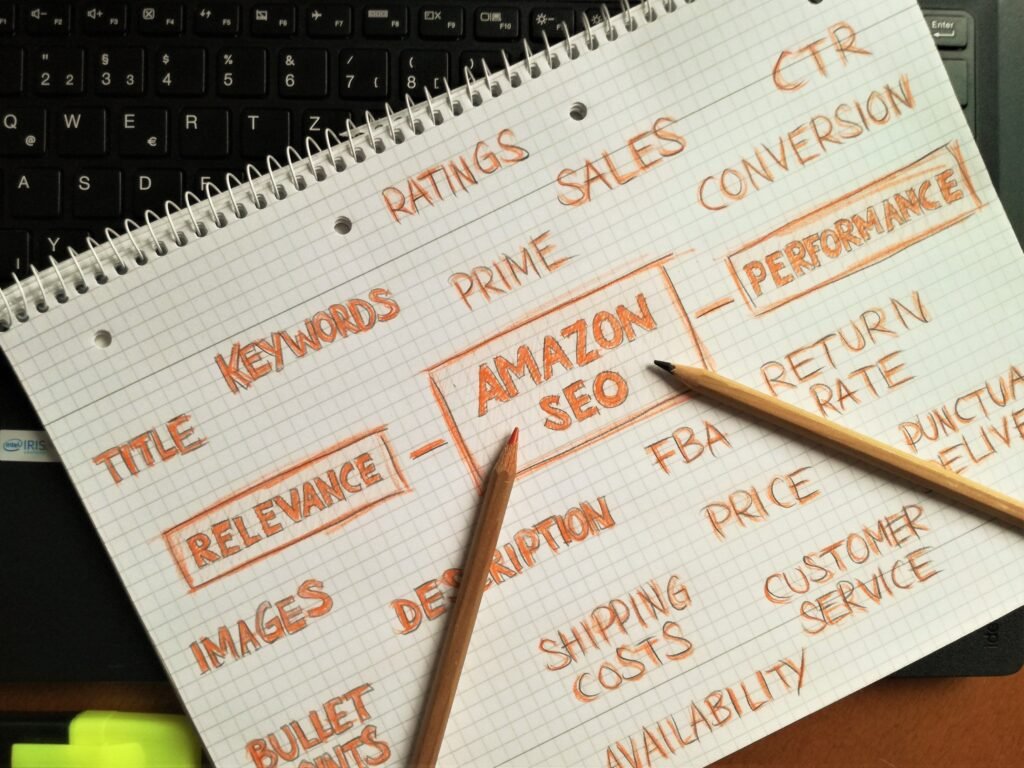
If branding is who you are, then advertising is how you introduce yourself to the world and build relationships.
Marketing is the overarching umbrella. This includes research, positioning, pricing methods, distribution channels, and storytelling. It’s a systematic technique to locate your perfect audience, understanding their deepest pain points, and showing them you have the exact solution they’re looking for.
Think of advertising and marketing as communication. You don’t walk up to a stranger at a party and scream “BUY MY PRODUCT!” (Well, you don’t have to, although many bands do just that on line every day). Instead, true marketing seems like a thoughtful dialogue. It looks like:
Publishing a blog post that solves a frustrating problem for business owners.
Optimizing your website so that you show on Google when someone is searching for help.
Sending out a weekly e-newsletter that must present value rather than just deliver sales pitches.
Marketing is the bridge between the product and the customer. It’s data-driven, strategic, and constantly evolving based on human behavior. It takes the “soul” established by your branding and figures out a way to communicate it to the right people, at the right time and on the right platform.
3. Advertising: The Megaphone (How to Get Noticed Quickly)

Now we get to the loudest sibling in the family. Advertising is a selected, paid slice of the marketing pie.
If marketing is a holistic method of building relationships, then advertising is the megaphone you can use to get people’s attention right now. It is transactional, direct, and it’s clearly paid for. Every time you pay Meta to boost a post, bid on a Google keyword, sponsor a podcast, or put up a billboard on a busy highway, you are advertising.
The purpose of advertising is simple: to reach and convert. It takes a specific message; usually an offer, product release, or time-sensitive marketing campaign; and forces it in front of eyes that might otherwise miss it.
The tragic mistake many business owners make is jumping straight to advertising before they figure out their branding or advertising. They spend millions on ads, send traffic to a confusing website with a poor message, and then wonder why their conversion rates are terrible.
The Reality Check:
While paid ads can buy your interest, they can’t buy your trust. If your megaphone is loud and yet your message is uninteresting or deceptive, you’re just annoying people at scale.
The marriage of the three: A real-world scenario
To see how these 3 forces work collectively in harmony let’s observe a quick analogy. Imagine you open a premium Coffee shop.
+————————————————————+
BRANDING
The premium experience, the cozy interior,
the ethical sourcing, the feeling of community.
+————————————————-+
+————————————————————+
MARKETING
Researching the neighborhood, setting the price point,
creating a loyalty program, hosting a soft launch event.
+————————————————————+
+————————————————————+
ADVERTISING
Running a targeted Instagram ad targeting locals:
“Get 50% off your first cold brew this weekend!”
+————————————————————+

- Advertising gets them through the door for the first time.
- Marketing continues to engage them with excellent customer service and a loyalty app.
- Branding is why they keep coming back for the next five years, buying your merchandise, and telling their friends that it’s the only place they’ll ever buy coffee.
Why the Distinction Matters for Your Bottom Line
When you confuse those three ideas, you misallocate your resources.
If your sales are dipping and you assume it’s an advertising problem, you might throw more money into Google Ads. But what if it’s actually a branding problem? What if consumers no longer trust your industry, or your visual identity looks like it was made in 2008, causing you to lose credibility instantly? Pouring money into ads won’t fix a broken brand; it just exposes the fracture to more people.
Conversely, if you spend all your time obsessed with branding; tweaking fonts, adjusting hex codes, and rewriting your mission statement; while never executing an ad or advertising plan, you’ll have a beautifully defined business that absolutely nobody knows exists.

Summary: The ultimate cheat sheet
Keep this handy framework in mind to keep your perspective sharp:
Branding is identity. It’s long-term, emotional, and gross. It defines who you are.
Marketing is the method. It is relationship-targeted, educational, and systematic. It defines how you communicate.
Advertising is a movement. It is short-term, campaign driven, and paid. It defines where you immediately draw attention.
You cannot build a sustainable modern business by picking just one. The magic happens when they operate in sequence: build an authentic identity (branding), map out the relationship strategy (marketing), and amplify it to the world (advertising). Get that order right, and the marketplace will not just be aware of you, they will stay with you.
Want to stop guessing and start growing?
Figuring out how to balance identity, strategy, and amplification can feel like a juggling act; especially when you’re busy running the actual day-to-day operations of your business. You don’t have to figure it out alone.
Whether you need to build an authentic corporate identity from scratch, design a strategic marketing plan, or launch an ad campaign that actually converts, let’s talk. Reach out today , and let’s build a brand that people don’t just notice, but stick with.